
Compounding in Cosmetology: Creating Customized Formulas

Top 5 Medical Uses of Compounded Methylene Blue
November 28, 2025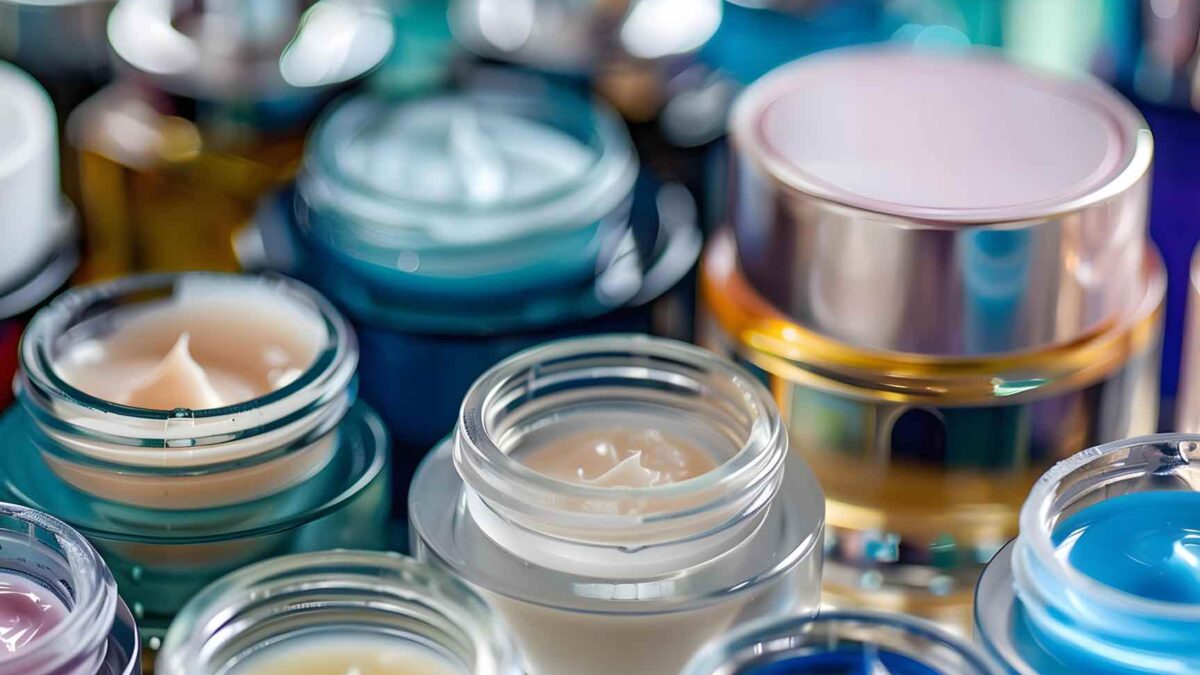
Walk down any beauty aisle, and you will see it. Endless serums, creams, toners, and anti-aging treatments promise better skin. And while some work well, many people discover the same frustrating pattern: irritation, breakouts, wasted money, or temporary results that fade as soon as they stop using the product.
Your skin is so unique. Yet most skincare isn’t. That’s where compounding in cosmetology makes a huge difference: an approach where dermatology meets pharmacy to create customized skincare solutions designed for your sensitivities and your skin goals.
For patients navigating acne, eczema, rosacea, psoriasis, or early signs of aging, compounding offers something the beauty aisle cannot: prescription skincare products designed around medical need instead of mass production.
So What Is Compounded Cosmetology?
Compounded cosmetology (or compounding pharmacy dermatology) refers to pharmacy-prepared skincare, topical medications, and dermatology formulations that are custom-made based on a provider’s prescription.
Instead of hoping retail skincare matches your skin type, your dermatologist and a compounding pharmacy work together to create personalized skin treatments with:
✔ the right active ingredients
✔ the right strength
✔ the right base (cream, gel, serum, ointment, lotion)
✔ and without unnecessary irritants
Why Skincare Benefits from Personalization
Skin conditions are rarely identical, even when they look the same. Two patients may both say they “have acne,” yet the drivers can be completely different, hormonal for one, inflammatory or bacterial for the other. The same is true for eczema, psoriasis, melasma, or photoaging.
“My acne got worse right before my period,” one patient told us. “But my sister breaks out when it gets dry and cold outside.”
That’s why personalized dermatology formulations exist. Treatment should adapt to sensitivity, climate, age, hormones, skin tone, and flare patterns. Mass-produced skincare doesn’t account for any of those variables, which is where custom dermatology medication can make a meaningful difference.
Where Compounding Fits in Cosmetic Dermatology
But Who Is Compounded Skincare Really For?
Patients who benefit most are often those who:
✔ react to commercial skincare
✔ can’t tolerate preservatives or fragrances
✔ have chronic inflammatory conditions
✔ need specialized strengths or combinations
✔ are in adolescent, menopausal, or androgen-shift stages
✔ prefer fewer products (one formula vs five-step routines)
Examples Patients Don’t Realize Are Compounded
Many patients have already used compounded skincare without realizing it. Prescription retinoids, post-procedure creams, melasma treatments, and dermatologist-made serums often come from compounding pharmacies. These formulas look like skincare, but they’re built with medical precision and adjusted to suit individual skin needs.
How the Compounding Process Works
Here’s how it usually works: your dermatologist figures out what your skin needs and sends a custom prescription to a compounding pharmacy. The pharmacy makes the medication from scratch and keeps it flexible: so if your skin changes or you need a different strength or texture, it can be adjusted. It’s a team effort between the doctor, the pharmacist, and you.
A Local Resource for Dermatology Compounding
Alpine Compounding Pharmacy partners with dermatologists and aestheticians to prepare customized dermatology medications for acne, anti-aging, eczema, psoriasis, pigment changes, and sensitivity. These compounded treatments sit between cosmetic and clinical care, offering a personalized alternative when mass-produced skincare isn’t enough.
Final Thoughts
Compounded cosmetology brings personalization into skincare. Dermatologists choose the formula; the pharmacy prepares it; the patient uses something designed for their skin. Simple and effective